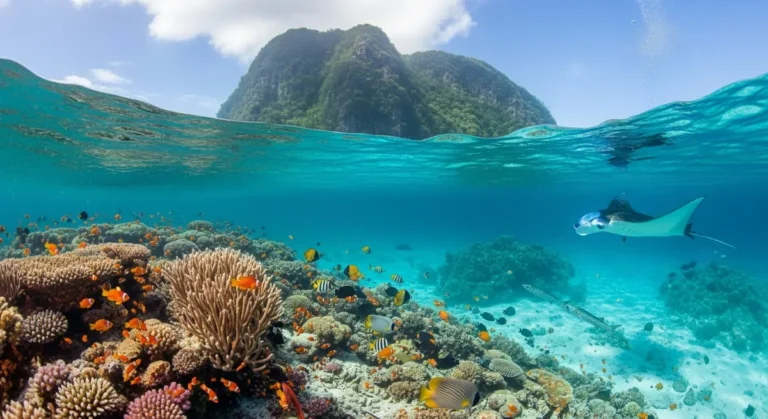
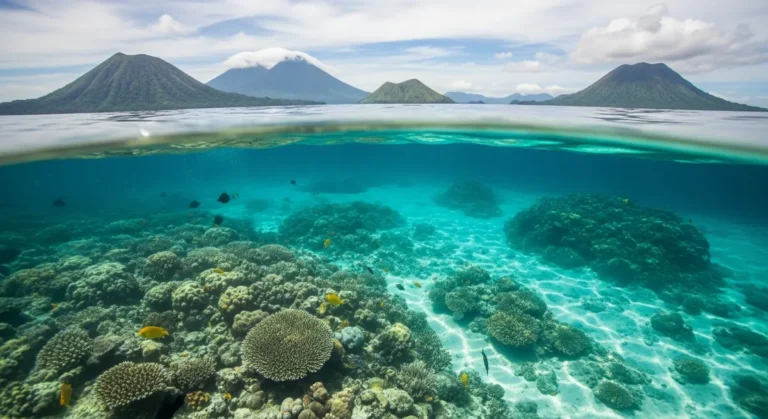
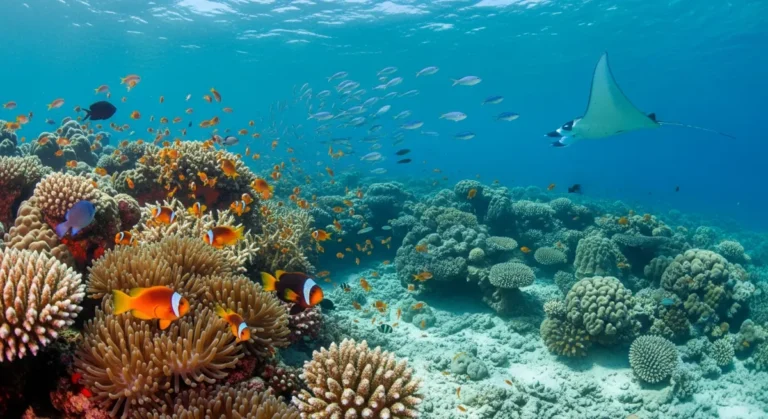
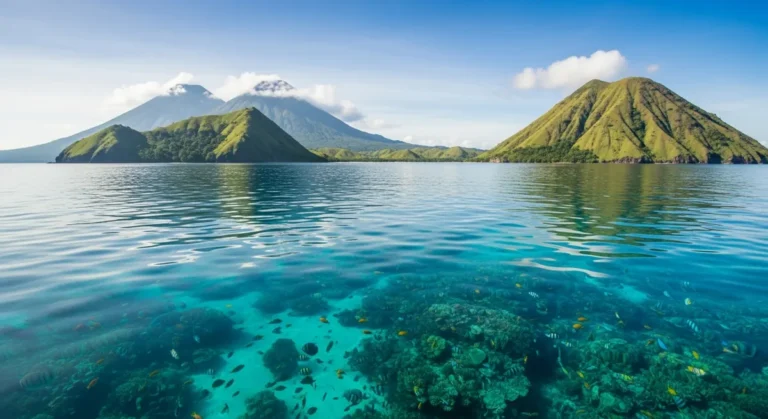
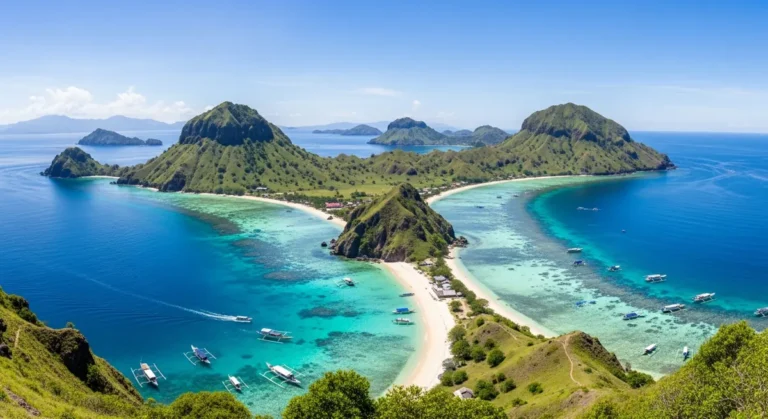
Exploring the coral reefs of the Banda Islands and conservation
- Rich biodiversity with over 300 coral species
- Best visiting months: March to November
- Costs for diving trips range from $50 to $150
Introduction to the Banda Islands Coral Reefs
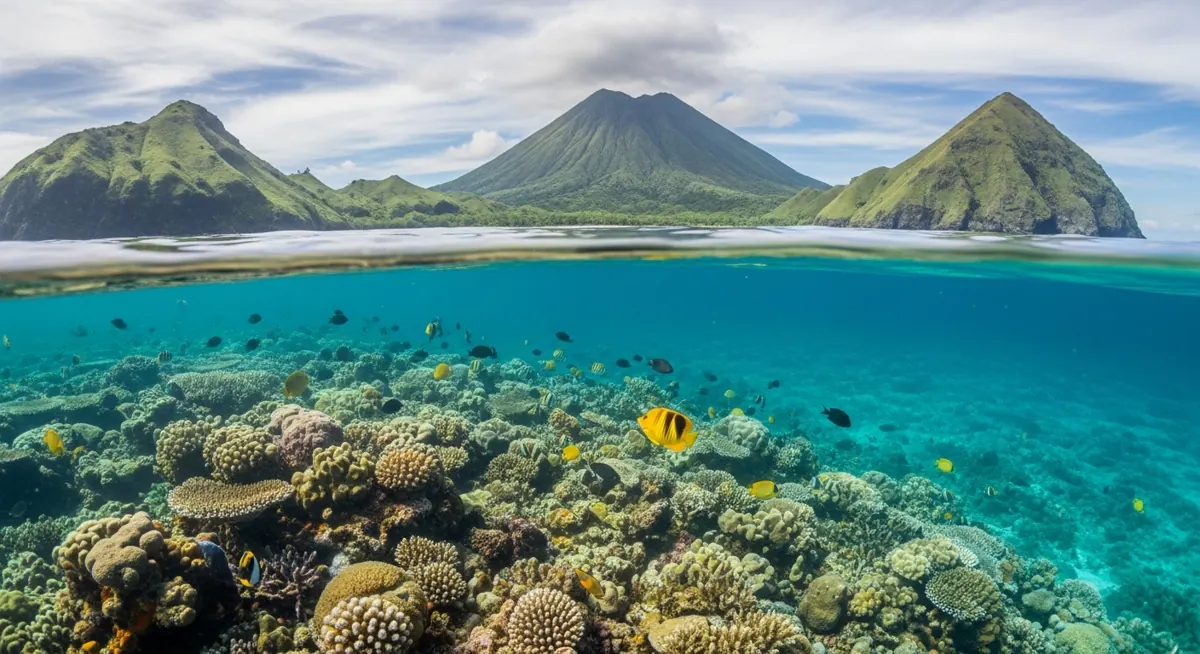
The Banda Islands, part of Indonesia’s Maluku province, are renowned for their active coral reefs. These ecosystems are among the most diverse in the world, hosting a variety of marine species and providing essential ecological functions. The reefs are not only vital for marine life but also play a significant role in the local economy through tourism.
Why Explore the Banda Islands Coral Reefs?
Exploring the Banda Islands coral reefs offers unique experiences for divers and snorkelers. The reefs are home to more than 300 species of corals and fish species, including reef sharks, manta rays, and colorful tropical fish. Visitors can engage in various activities, from guided diving trips to snorkeling adventures that suit both novice and experienced ocean enthusiasts.
Best Times to Visit
The optimal period for visiting the Banda Islands typically spans from March to November. During these months, the weather is more stable, and the water visibility is at its best, making for ideal conditions for diving and snorkeling.
Seasonal Overview
- March to June: Calm seas and warm temperatures, ideal for all water activities.
- July to September: Slightly cooler, still great for diving. Occasional rain.
- October to November: Transition months; conditions can vary but still good for exploration.
Diving and Snorkeling Adventures
The Banda Islands are known for their exceptional diving spots, each offering unique underwater experiences. Popular sites include:
- Pulau Hatta: Known for its rich coral gardens and diverse marine life.
- Pulau Ai: Offers steep drop-offs and an abundance of fish species.
- Raja Ampat: While not technically in the Banda Islands, it is a nearby destination worth considering for its biodiversity.
Diving trips typically range from $50 to $150, depending on the location and the length of the trip. Many local operators provide guided services, equipment rentals, and safety briefings to ensure an enjoyable experience.
Conservation Efforts in the Banda Islands
Despite their natural beauty, Banda Islands coral reefs face threats from climate change, overfishing, and pollution. Conservation efforts are crucial to protect these ecosystems and sustain local livelihoods.
Current Conservation Initiatives
Several organizations and local government initiatives are focused on preserving the health of the coral reefs. These efforts include:
- Marine Protected Areas: Designating specific zones to limit fishing and other harmful activities.
- Community Education: Programs aimed at educating locals and tourists about sustainable practices.
- Research Programs: Collaborations with universities and NGOs to monitor reef health and marine biodiversity.
Responsible Tourism Practices
Visitors can play a vital role in the conservation of Banda Islands coral reefs. Here are some responsible tourism practices to consider:
- Choose Eco-Friendly Operators: Select diving and snorkeling operators that prioritize sustainable practices.
- Avoid Touching Coral: Maintain a safe distance from coral formations to prevent damage.
- Participate in Clean-Up Activities: Join local initiatives aimed at removing marine debris.
Local Economy and Community Involvement
The local economy heavily relies on tourism, particularly from diving and snorkeling activities. By participating in these adventures, visitors contribute to the livelihoods of local communities. Many operators hire local guides, ensuring that the economic benefits of tourism flow back into the community.
Supporting Local Businesses
Engaging with local businesses can enhance your experience while supporting the economy. Consider:
- Staying in locally-owned accommodations
- Dining at traditional restaurants
- Buying handicrafts directly from local artisans
Contributing to Banda Islands’ Marine Conservation
Planning your trip during prime visiting months, such as the dry season from September to November, ensures optimal conditions for exploring the striking coral reefs of the Banda Islands. Engaging with local guides, such as those from Banda Islands Travel, not only enriches your understanding of the area’s biodiversity but also supports the local economy. Participating in organized conservation activities, like reef clean-ups or educational tours, allows you to actively contribute to the preservation efforts while diving into the active underwater landscapes.
Planning specifics? See see current rates.
Planning specifics? See check what’s included or packages.
Logistics and Costs for Visiting Banda Neira
Reaching the Banda Islands requires a bit of planning, but the journey is part of the adventure. Most travelers fly into Ambon, the main gateway to the region, and from there, options include a ferry or a small aircraft to Banda Neira. The Pelni ferry is a popular choice, offering a scenic overnight journey that costs around 300,000-500,000 IDR (approximately 20-35 USD) for economy class. For those short on time, Susi Air operates small charter flights to Banda Neira from Ambon, typically priced between 1,500,000-2,000,000 IDR (100-135 USD) for a one-way ticket.
Once on Banda Neira, accommodation ranges from budget guesthouses to more comfortable mid-range options. Budget travelers can find simple rooms for about 200,000-300,000 IDR (13-20 USD) per night, while mid-range hotels with additional amenities might cost 500,000-800,000 IDR (35-55 USD) per night. It’s advisable to book in advance, especially during the peak dive season from September to November, when the weather is dry, and the seas are calm, ensuring optimal diving conditions.
Diving in Banda Neira is a must for enthusiasts, with most dive shops offering packages that include equipment rental, boat trips, and guided dives. Prices for a two-tank dive typically range from 1,000,000-1,500,000 IDR (70-100 USD), depending on the dive site and operator. For those interested in exploring the historical aspect of the islands, a visit to Fort Belgica, built in 1611, offers a glimpse into the colonial past. Entry fees are modest, around 50,000 IDR (3-4 USD), providing access to panoramic views and a fascinating history lesson. If you’re diving or exploring on land, the Banda Islands promise a rich and rewarding experience for every visitor.