Diving seasons in Banda Neira and visibility conditions
- Water temperatures range from 26°C to 30°C.
- Visibility averages between 15 to 40 meters.
- The wet season runs from December to March, which may affect diving conditions.
Diving Seasons in Banda Neira
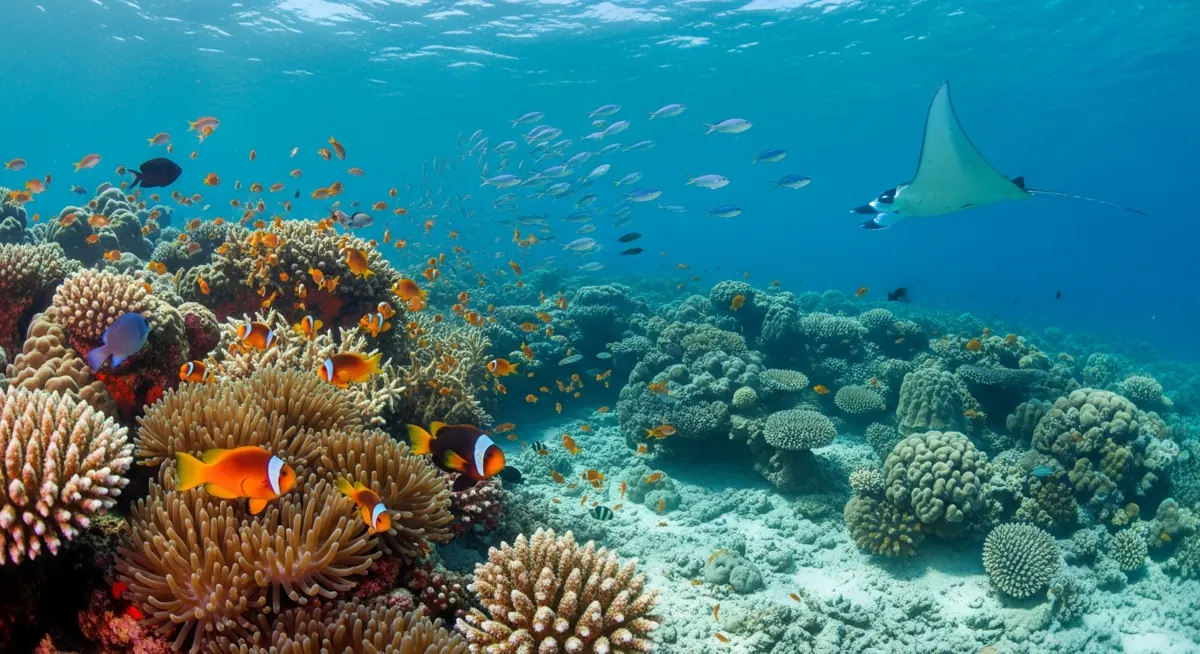
Banda Neira, part of the Banda Islands in Indonesia’s Maluku region, offers diverse marine life and active coral reefs. Understanding the diving seasons here is essential for planning your trip effectively.
Optimal Diving Months
The ideal time for diving in Banda Neira is from April to November. This period corresponds with the dry season, where conditions are favorable for underwater exploration. Here’s a breakdown of the diving months:
- April to July: The early dry season is characterized by calm seas and increasing water temperatures. Visibility begins to improve, making it a great time for divers of all experience levels.
- August to October: These months are considered the peak diving season. Visibility can reach up to 40 meters, and marine life is abundant. August is especially noted for clear waters and favorable weather conditions.
- November: Although not as popular as the previous months, diving in November can still be rewarding. Conditions remain relatively stable, but transitioning to the wet season means that visibility may begin to decline.
Wet Season Considerations
From December to March, Banda Neira experiences its wet season. During this time, diving conditions can be less predictable. Here are some considerations:
- Water Conditions: Increased rainfall can lead to reduced visibility due to runoff. Expect visibility to drop to between 10 to 20 meters during this period.
- Sea Conditions: The seas can become rougher, which may deter divers, especially beginners. However, more experienced divers may still find opportunities during this time.
- Marine Life: The wet season brings nutrient-rich waters, attracting various marine species. This can lead to unique diving experiences, such as encounters with larger pelagic fish.
Visibility Conditions
Visibility is a crucial factor for diving success. In Banda Neira, visibility varies significantly throughout the year due to seasonal changes, weather patterns, and water conditions.
Monthly Visibility Overview
Here’s a month-by-month visibility overview for Banda Neira divers:
- April: Visibility starts improving, averaging around 15 to 20 meters.
- May: Continued improvement, with visibility reaching 20 to 30 meters.
- June: Water clarity remains excellent, often reaching 30 meters.
- July: Visibility remains high, generally between 30 to 35 meters.
- August: Peak visibility at 35 to 40 meters, ideal for underwater photography.
- September: Similar to August, maintaining excellent visibility.
- October: Visibility begins to decrease slightly but usually remains at 30 meters.
- November: Visibility starts to decline, averaging around 20 to 25 meters, especially towards the end of the month.
- December to March: Visibility fluctuates significantly, averaging between 10 to 20 meters due to rainfall and ocean conditions.
Factors Affecting Visibility
Several factors can influence visibility in Banda Neira:
- Weather: Rainfall can lead to sediment runoff, reducing visibility. Wind and wave action can also impact clarity.
- Location: Different dive sites can have varied visibility. Sites sheltered from the wind often maintain better conditions.
- Time of Day: Visibility may vary throughout the day. Early morning dives often provide the clearest conditions.
Best Dive Sites in Banda Neira
Banda Neira offers numerous dive sites, each with unique features and marine life. Here are some recommended spots for divers:
- Gunung Api: Known for its active coral reefs and diverse marine life, this site offers excellent visibility, particularly in the peak months.
- Hatta Island: Home to a variety of dive sites, Hatta Island is famous for its striking underwater topography and rich biodiversity.
- Yellow Wall: A renowned wall dive with abundant coral and fish life, making it a must-visit during the peak season.
- Octopus Garden: This site features shallow reefs teeming with life, ideal for both novice and experienced divers.
Logistics and Planning Your Trip
To make the most of your diving adventure in Banda Neira, consider the following logistics:
- Dive Operators: Research and book with reputable dive operators who are familiar with the local waters and can provide necessary equipment and guidance.
- Accommodations: Banda Neira offers a range of accommodations, from budget hostels to luxury resorts. Booking ahead is advisable during peak seasons.
- Travel Requirements: Verify visa requirements and travel restrictions for Indonesia, especially if you are traveling during the wet season.
- Health and Safety: Ensure you have appropriate travel insurance that covers diving activities. Additionally, be aware of local health advisories.
Best Time for Diving in Banda Neira
For the clearest waters and active marine life, plan your visit to Banda Neira between April and November. This period offers prime visibility conditions, making it ideal for divers at any level. Be sure to explore local dive operators and accommodations through reputable dive operators and available accommodations to enhance your experience.
Planning specifics? See Banda Neira Trip.
Planning specifics? See our banda Neira Trip Pricing & Cost Guide guide or learn more here.
Getting to Banda Neira: Practical Travel Logistics
Reaching Banda Neira involves a bit of planning, but the journey is an adventure in itself, offering insights into the region’s unique geography and culture. Most travelers start their journey from Ambon, the capital of Maluku province. From Ambon, you have a few options to reach Banda Neira, each with its own time and cost considerations.
One of the most popular ways to travel is by ferry. The Pelni ferry service operates routes between Ambon and Banda Neira, typically taking around 12 to 15 hours. The ferry is a cost-effective option, with tickets ranging from USD 15 to 30, depending on the class of service. It’s important to check the schedule in advance, as the ferry runs less frequently outside peak travel seasons.
For those seeking a quicker journey, Susi Air offers charter flights from Ambon to Banda Neira. The flight takes approximately 1 hour and provides striking aerial views of the Banda Islands. Prices for these flights can vary significantly, often ranging from USD 150 to 250 one-way, depending on demand and availability. Booking early is advisable, especially during the peak diving season from September to November.
Upon arrival at Banda Neira, travelers are greeted by a small, welcoming community and a landscape steeped in history. The island’s compact size makes it easy to explore on foot or by renting a bicycle. Local accommodations range from budget guesthouses at around USD 20 per night to more comfortable lodgings priced between USD 50 and 100. Whether you choose the ferry or a flight, the journey to Banda Neira is a memorable part of the experience, setting the stage for the underwater adventures that await.