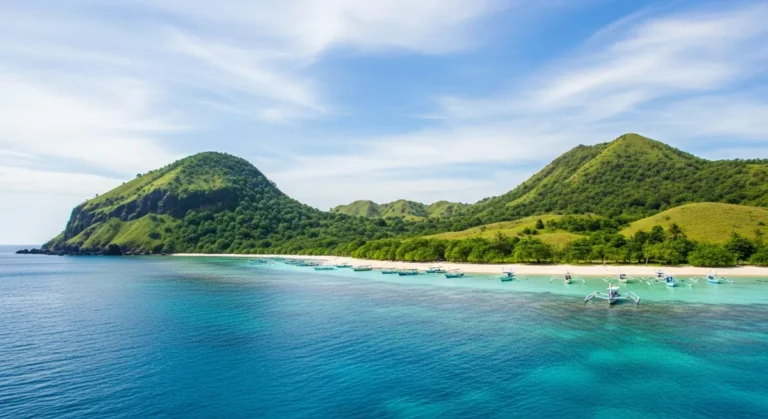
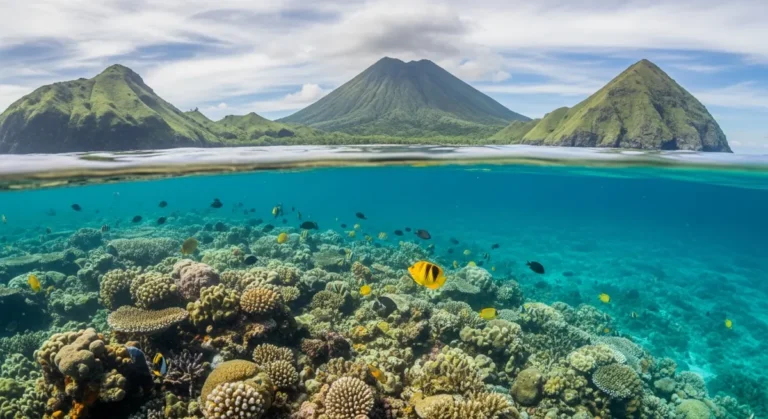
Best time of year to visit Banda Neira for diving and touring
- April to November: Ideal diving and touring conditions.
- July to September: Peak season with the best visibility.
- December to March: Rainy season; less favorable for outdoor activities.
Understanding the Climate in Banda Neira
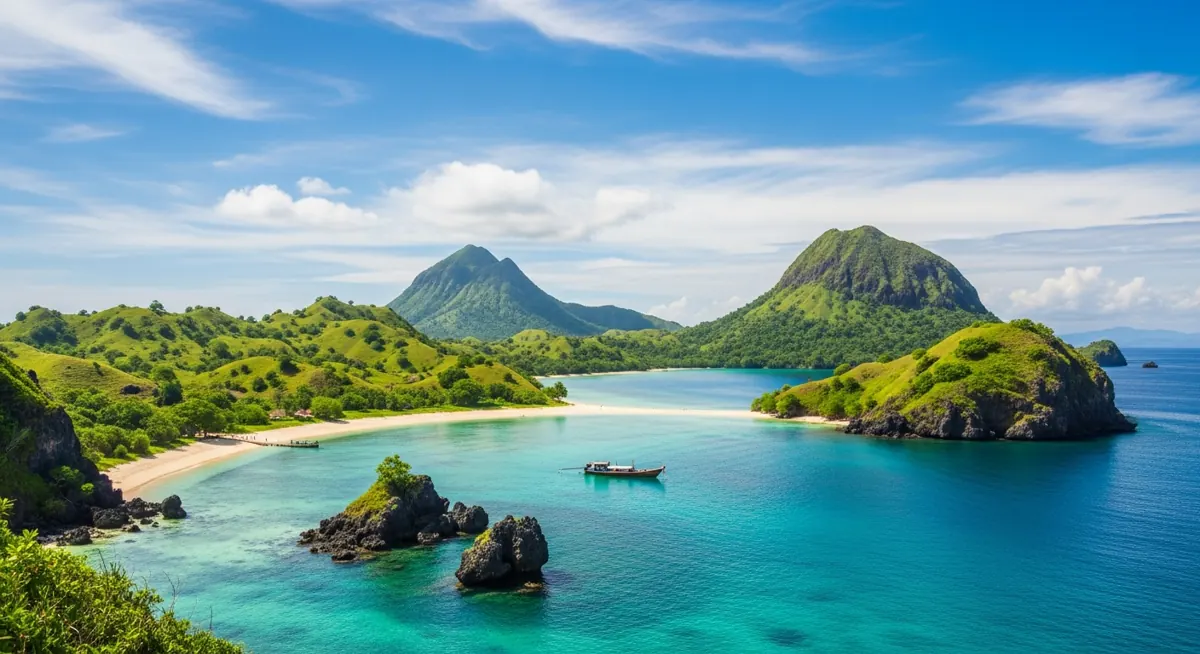
Banda Neira, part of the Banda Islands in Indonesia’s Maluku region, enjoys a tropical climate characterized by two main seasons: a dry season and a rainy season. The dry season typically runs from April to November, while the rainy season spans from December to March. Understanding these patterns is crucial for maximizing your diving and touring experience.
Best Time for Diving
diving, visibility and water conditions are paramount. The best time to dive in Banda Neira is during the dry season, particularly between July and September.
Key Factors for Diving
- Water Temperature: The water temperature ranges from 26°C to 30°C (79°F to 86°F), making it comfortable for diving year-round.
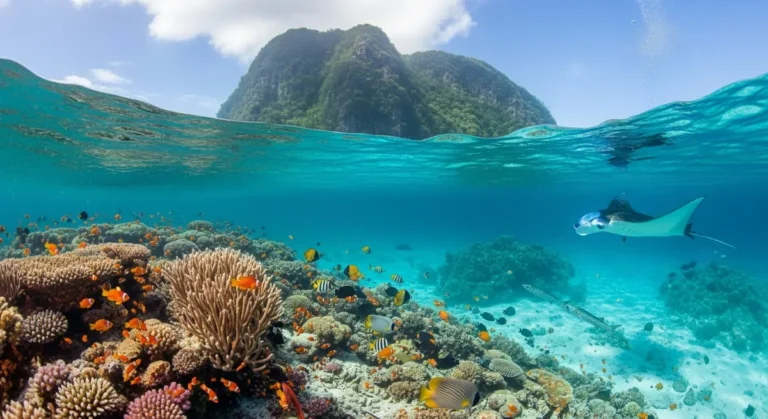
- Visibility: During peak months, visibility can exceed 30 meters (98 feet), allowing divers to fully appreciate the rich marine biodiversity.
- Currents: Generally mild currents during these months make for safer diving conditions.
Best Time for Snorkeling
For those interested in snorkeling, similar conditions apply. The months of April to November provide the clearest waters. However, the best months for snorkeling are also from July to September.
Why July to September is Optimal for Snorkeling
- Calm Seas: The seas are calmer, improving safety and enjoyment.
- Marine Life: Increased marine activity makes this period ideal for spotting active coral reefs and diverse fish species.
- Guided Tours: Many operators offer special snorkeling tours during this peak season, providing access to prime locations.
Cultural Touring Opportunities
Banda Neira is not only about diving and snorkeling; it also offers rich cultural experiences. The best time for cultural tours aligns with the dry season.
Highlighting Cultural Experiences
- Historical Sites: Visit forts, museums, and traditional villages in dry weather for a more comfortable experience.
- Local Festivals: Engage with the local culture during festivals typically held in mid-year.
- Guided Tours: Enhanced availability of guided tours that provide deeper insights into the region’s history and culture.
Considerations During the Rainy Season
Visiting during the rainy season from December to March is not entirely discouraged but comes with its challenges.
Challenges of the Rainy Season
- Reduced Visibility: Diving and snorkeling visibility can drop significantly.
- Unpredictable Weather: Increased rainfall might lead to choppy seas and canceled excursions.
- Limited Tour Availability: Fewer tours operate during this period, restricting options for exploration.
Pricing and Budget Considerations
When planning your trip, consider the pricing structure, which varies based on the season.
Cost Overview
- Peak Season (July – September): Prices for accommodations and tours typically increase by 20-30%.
- Off-Peak Season (December – March): Discounts can be found, but availability may be limited.
- Mid-Season (April – June, October – November): Moderate prices with a balance of good conditions.
How to Prepare for Your Trip
Preparation is key to a successful trip to Banda Neira. Here are some tips to make the most of your visit.
Essential Packing List
- Snorkeling and diving gear (if not renting).
- Light, breathable clothing for warm weather.
- A waterproof jacket for unexpected rain.
- Sunscreen and insect repellent.
- Camera or underwater camera for capturing experiences.
Expert Tips for a Memorable Experience
To enhance your visit, consider these expert tips:
Maximize Your Time
- Book in Advance: Especially during peak months, securing accommodations and tours ahead of time is advisable.
- Local Guides: Hiring local guides can enrich your understanding of the area and its history.
- Explore Both Land and Sea: Don’t limit yourself to diving; explore historical sites and enjoy the local cuisine.
Optimal Travel Months for Banda Neira Diving Adventures
For diving enthusiasts, visiting Banda Neira between April and November offers the best underwater visibility and conditions. The peak months of July to September are particularly favorable, providing clear waters and abundant marine life. Travelers can make the most of this active season by planning tours in advance, ensuring access to popular sites. If you’re considering a visit, remember that while the rainy season might have attractive rates, it can limit diving opportunities. For more information on planning your trip, check out this helpful guide to Banda Neira.
Planning specifics? See packages.
Planning specifics? See plan your trip or book Banda Neira Trip | Bandaneiratrip.
Travel Logistics and Costs for Visiting Banda Neira
Reaching Banda Neira involves a bit of planning due to its remote location, but the journey is part of the adventure. Most travelers start their journey in Ambon, the capital of Maluku province. From Ambon, you have a few options: a Pelni ferry, a local ferry, or a flight with Susi Air. The Pelni ferry, which is a more budget-friendly option, costs around USD 10-15 for economy class and takes about 12 hours. The local ferry is a similar price but might offer a more flexible schedule. For a quicker journey, Susi Air operates small flights directly to Banda Neira, typically priced between USD 100-150 one way, though these flights are subject to weather conditions and availability.
Once on Banda Neira, accommodation options range from budget homestays to more comfortable guesthouses. Expect to pay around USD 20-50 per night for a mid-range guesthouse that provides basic amenities and breakfast. For meals, local warungs (small eateries) offer affordable Indonesian dishes for around USD 2-5 per meal.
Diving in Banda Neira is best during the dry season, which runs from September to November, when the seas are calmer and visibility is at its peak. Dive operators in Banda Neira offer packages that typically include equipment rental, boat transfers, and a dive guide. Prices for a single dive range from USD 40-60, depending on the site and operator. For those interested in multiple dives, packages are available, often reducing the cost per dive.
Overall, visiting Banda Neira requires some logistical planning, but the historical sites and exceptional diving make it well worth the effort. If you’re exploring the remnants of the spice trade era or diving among active marine life, Banda Neira offers a rich experience for the adventurous traveler.