Guide to the marine life you can see in the Banda Islands
– Best time to visit: April to November
– Diving prices: Starting at $50 per dive
– Snorkeling trips: Approximately $30 per person
Introduction to the Banda Islands
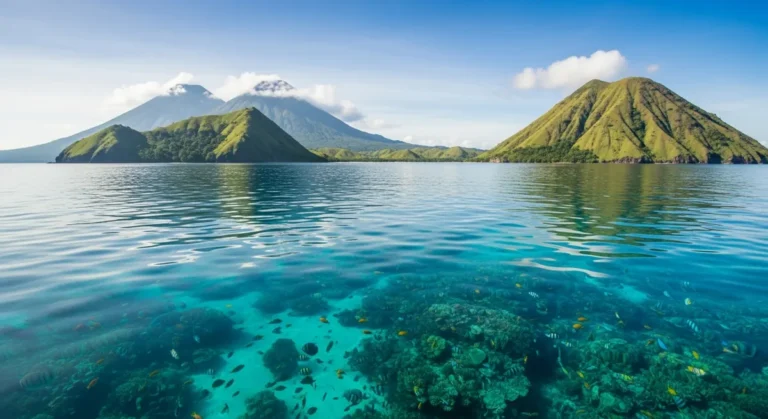
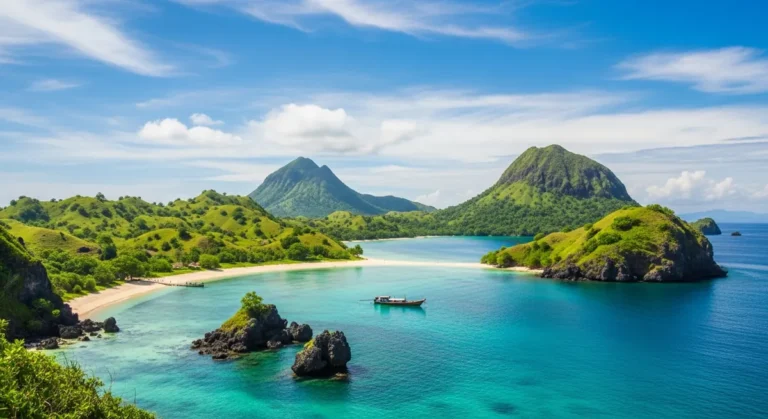
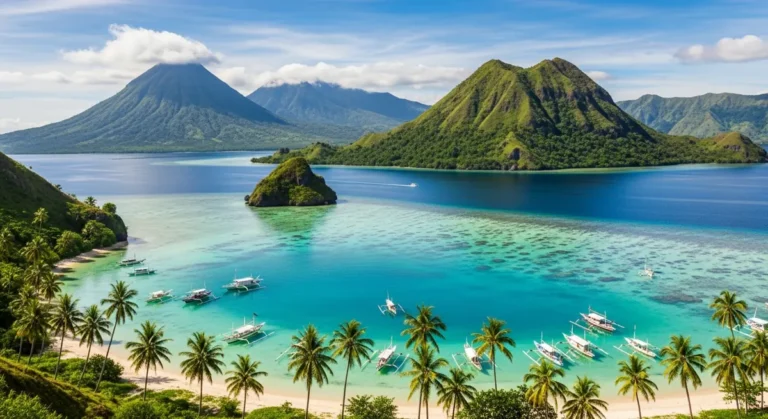
The Banda Islands, located in the Maluku province of Indonesia, are renowned for their remarkable marine biodiversity. This archipelago comprises ten small islands, each offering unique underwater experiences. The warm, clear waters surrounding the islands are home to a variety of marine life, making it a sanctuary for divers and snorkelers.
Marine Life Overview
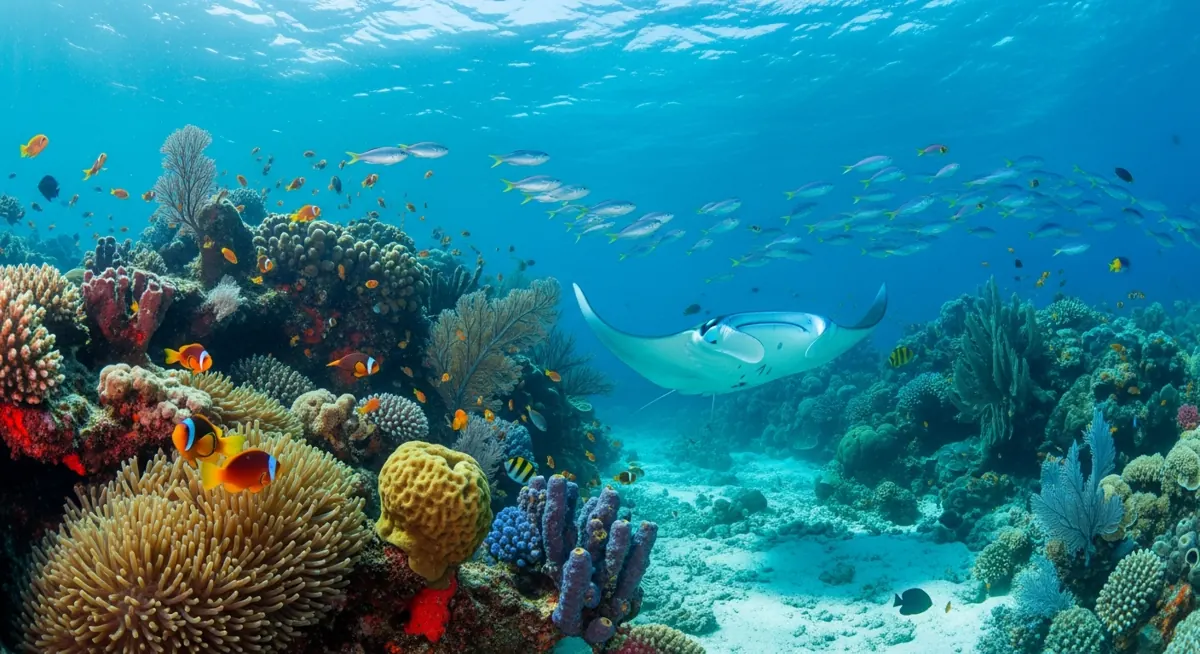
The Banda Islands provide a rich mosaic of underwater ecosystems, including coral reefs, drop-offs, and volcanic formations. The following sections detail the types of marine life you can expect to see while exploring these waters.
Coral Reefs
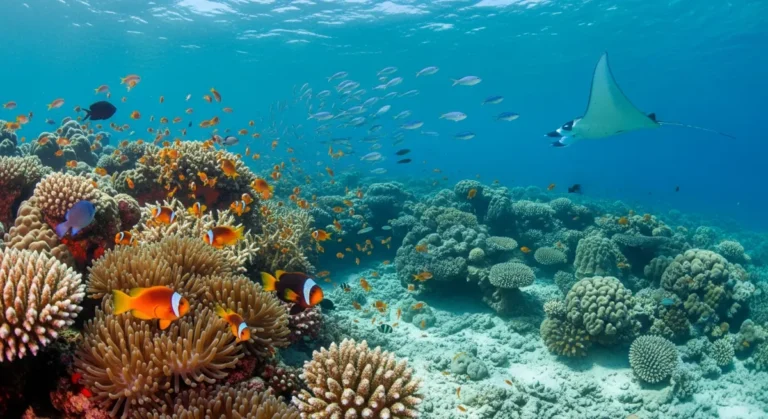
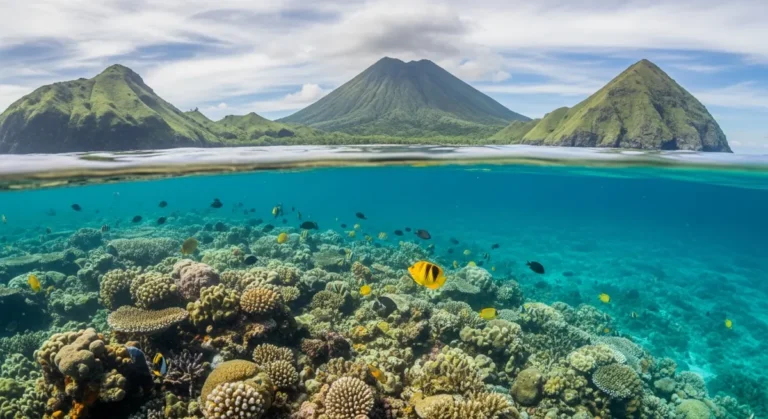
The coral reefs surrounding the Banda Islands are among the healthiest in Indonesia, teeming with life. The reefs consist of hard and soft corals, providing habitats for various marine species.
- Hard Corals: Staghorn, table, and brain corals are prevalent, creating a complex structure that supports diverse marine life.
- Soft Corals: Sea fans and leather corals add color and variety, attracting many species of fish.
- Coral Health: Conservation efforts have been initiated to protect and restore coral habitats.
Fish Species
The Banda Islands are home to an impressive variety of fish species, making it an ideal location for both amateur and experienced divers.
- Reef Fish: Expect to see clownfish, damselfish, and parrotfish, which are common inhabitants of the coral reefs.
- Pelagic Fish: Larger species such as barracuda, jacks, and tuna can be observed, especially during drift dives.
- Endemic Species: Look out for unique species like the Banda Sea bass, which is native to this region.
Invertebrates
Invertebrate life flourishes in the Banda Islands, contributing to the overall biodiversity of the marine ecosystem.
- Sea Turtles: Green and hawksbill turtles are frequently spotted, often foraging on the reefs.
- Cephalopods: Octopuses and cuttlefish can be seen hiding among rocks and coral, showcasing their remarkable camouflage abilities.
- Sea Urchins and Starfish: Various species of sea urchins and colorful starfish are abundant, adding to the underwater scenery.
Top Diving and Snorkeling Spots
The Banda Islands offer numerous diving and snorkeling locations, each with its unique charm and marine life.
1. Banda Neira
Banda Neira is the largest island in the Banda archipelago, famous for its historical significance and active marine life.
- Depth: 10-30 meters
- Highlights: Coral gardens and schools of fish, including butterflyfish and surgeonfish.
- Access: Easily accessible from local dive shops.
2. Hatta Island
Hatta Island is known for its clear waters and striking coral reefs, making it a favorite for both snorkeling and diving.
- Depth: 5-25 meters
- Highlights: active coral walls and an abundance of marine life including reef sharks.
- Access: Day trips available from Banda Neira.
3. Ai Island
Ai Island features pristine coral reefs and is less frequented by tourists, providing a more secluded experience.
- Depth: 10-40 meters
- Highlights: Rich marine biodiversity, including nudibranchs and various species of sea turtles.
- Access: Guided tours are recommended for safety.
The Best Time to Visit
The ideal time to explore the marine life in the Banda Islands is between April and November. During these months, the waters are typically calm, offering excellent visibility for diving and snorkeling.
- April to June: Good visibility, fewer tourists, and active marine life.
- July to September: Peak tourist season, with more dive operators available.
- October to November: Transition period with excellent marine conditions.
Pricing for Diving and Snorkeling
Prices for diving and snorkeling in the Banda Islands can vary based on the operator and type of experience. Here’s a general overview:
- Diving: Prices start at around $50 per dive, including equipment rental.
- Snorkeling: Guided snorkeling trips typically cost around $30 per person.
- Liveaboard Trips: For a more immersive experience, liveaboard diving trips are available, ranging from $300 to $1,000, depending on the length and amenities.
Tips for a Memorable Experience
To make the most of your marine life exploration in the Banda Islands, consider the following tips:
- Book in Advance: Especially during peak season, booking your diving and snorkeling trips early ensures availability.
- Respect Marine Life: Avoid touching corals and feeding fish to preserve the delicate ecosystem.
- Choose Eco-friendly Operators: Support dive shops that prioritize sustainability and marine conservation.
Best Time and Practices for Exploring Banda Islands’ Marine Life
Visiting the Banda Islands during the optimal season, typically from April to November, ensures the most favorable diving conditions and visibility. Divers and snorkelers can witness active coral reefs and an range of marine species, including the mesmerizing mandarin fish and colorful nudibranchs. By choosing responsible operators, you support sustainable tourism that helps protect and preserve the delicate ecosystems of the Banda Sea. Remember to pack eco-friendly sunscreen and follow guidelines to minimize your environmental impact while enjoying the sweeping underwater landscapes.
Planning specifics? See booking details.
Planning specifics? See banda Neira Trip Pricing & Cost Guide or packages.
Travel Logistics and Costs for Diving in the Banda Islands
Reaching the Banda Islands requires a bit of planning, but the journey is well worth it for diving enthusiasts. Most travelers start their adventure in Ambon, the capital of Maluku, which is accessible via domestic flights from Jakarta or Bali. From Ambon, divers can take a Pelni ferry, which operates a few times a week and takes approximately 12 to 14 hours to reach Banda Neira. The ferry cost is relatively economical, generally ranging from USD 20 to 40, depending on the class of service. For those short on time, Susi Air offers a more expensive but quicker option, with flights costing between USD 100 to 150 one-way, though schedules can be irregular.
Once in the Banda Islands, divers typically base themselves on Banda Neira, the main hub for accommodations and dive operators. Prices for accommodation range from budget homestays at around USD 20 per night to more comfortable guesthouses that can cost up to USD 60 per night. Dive operators on the island offer a variety of packages, with single dives priced around USD 50 to 70, including equipment rental. For a more immersive experience, consider a multi-day dive package, which can provide better value and include dives at signature sites like Batu Kapal and Lava Flow.
The best time to dive in the Banda Islands is during the dry season, from September to November, when the seas are calm and visibility is optimal. This period also coincides with the peak hammerhead shark season, offering divers the chance to witness these incredible creatures in their natural habitat. While the journey may require some advance planning, the combination of rich marine life and historical intrigue makes the Banda Islands a compelling destination for divers seeking a unique adventure.