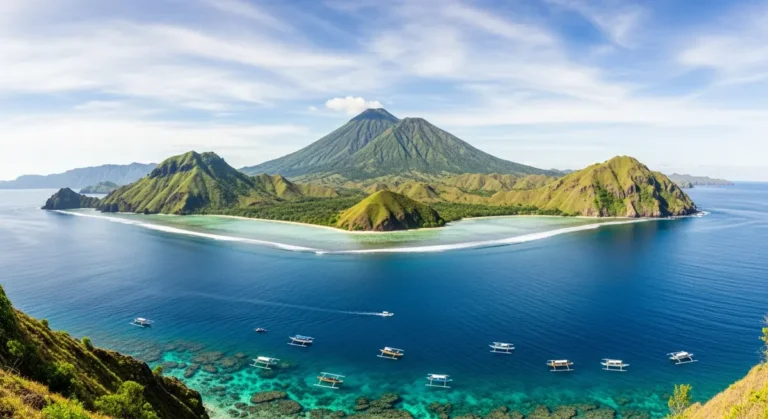
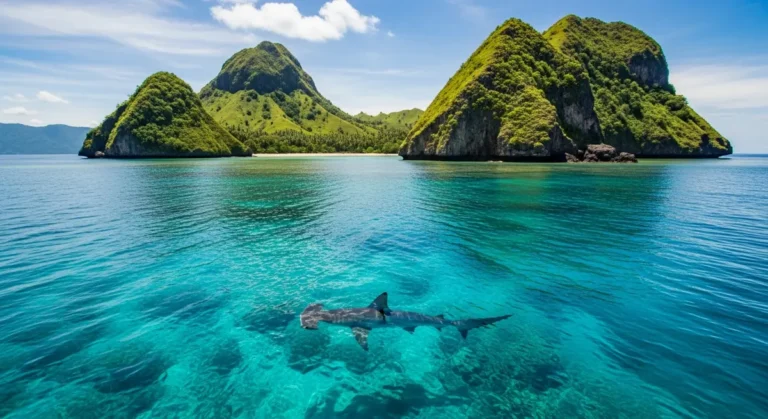
When to dive the Banda Sea for the best marine life encounters
- Peak diving season: October to April
- Water temperatures: 26-30°C (79-86°F)
- Best marine life sightings: November to March
Understanding the Banda Sea Diving Season
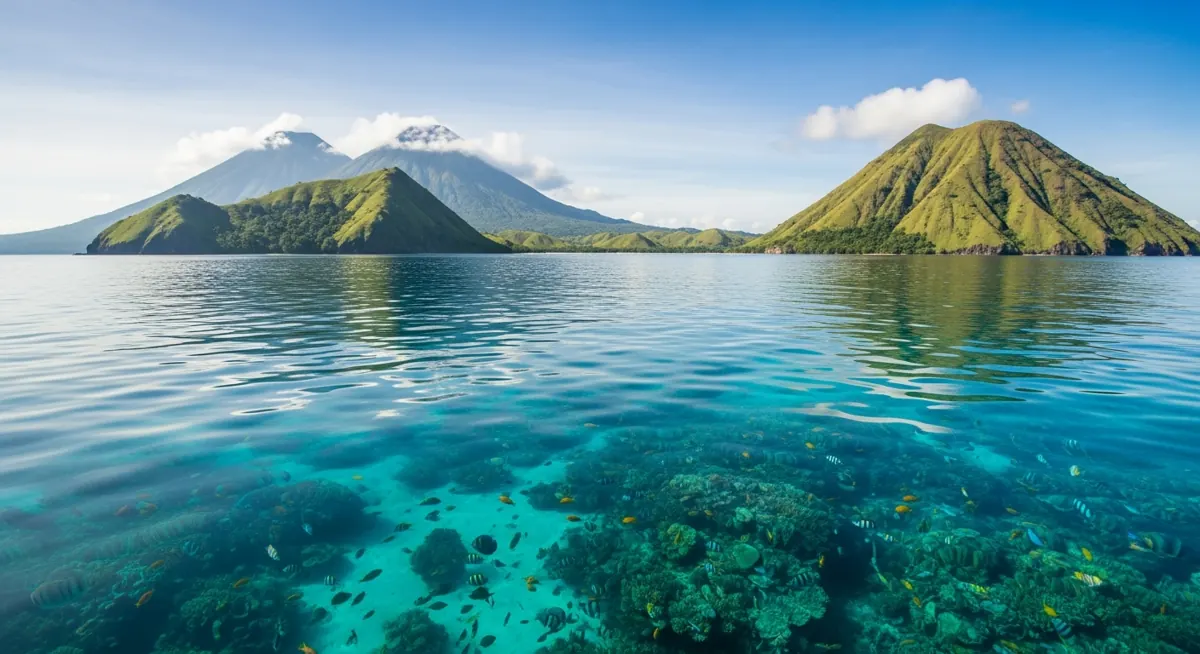
The Banda Sea, part of Indonesia’s Maluku region, offers exceptional diving opportunities. This area is known for its rich biodiversity, including active coral reefs, schools of fish, and larger marine species. Understanding the diving season is crucial for planning your trip to ensure the best marine encounters.
When to Plan Your Dive
The prime diving season in the Banda Sea typically spans from October to April. This period coincides with the dry season in the region, characterized by calmer waters and improved visibility. Here’s a month-by-month breakdown:
October
October marks the start of the diving season. As the rainy season comes to an end, visibility improves. Water temperatures range from 26°C to 30°C (79°F to 86°F), making it comfortable for diving. Expect to see a variety of marine life as they become more active and the coral reefs begin to recover from the rains.
November
November is one of the best months for diving in the Banda Sea. The water is clear, often exceeding 30 meters (98 feet) of visibility. This month is ideal for spotting larger marine species like manta rays and whale sharks, particularly around the outer reefs.
December
December continues to offer excellent diving conditions. The weather remains stable, and the marine life is abundant. This month often sees an influx of divers, so it’s advisable to book accommodations and dive trips in advance. Expect to see schools of jacks, barracudas, and active reef fish.
January to March
The period from January to March is considered the peak time for marine life encounters. Water temperatures remain warm, and visibility is usually at its best. In addition, this season is ideal for spotting pelagic species, including turtles, reef sharks, and various types of nudibranchs. Photographers will find this period particularly rewarding due to the clear water and colorful marine life.
April
As the season transitions into April, diving conditions remain favorable. However, as the month progresses, the chances of encountering rain increase. Early April can still provide excellent diving opportunities, but divers should be prepared for changing weather conditions as the month draws to a close.
Marine Life Highlights
The Banda Sea is renowned for its diverse marine ecosystem, offering encounters with a wide variety of species. Here are some highlights you can expect during the diving season:
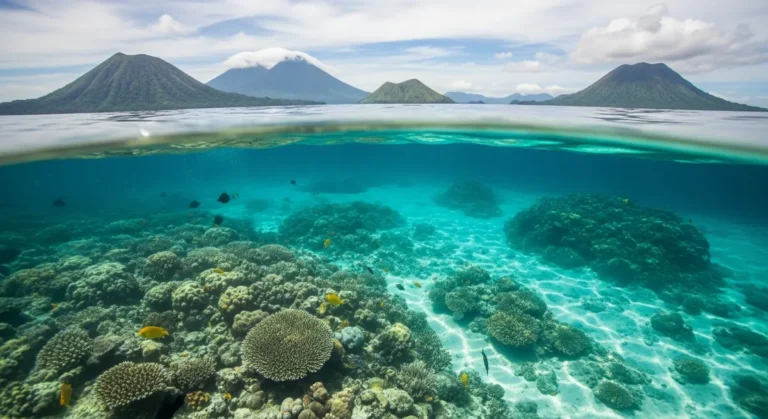
- Coral Reefs: The reefs are teeming with life, featuring soft and hard corals that provide habitats for countless species.
- Pelagic Species: Keep an eye out for striking manta rays, whale sharks, and even dolphins during your dives.
- Macro Life: For those interested in underwater photography, the Banda Sea offers an impressive range of macro life, including nudibranchs, shrimp, and other small critters.
Diving Conditions and Considerations
When planning your dive trip, it’s essential to consider various factors that can impact your experience.
Weather Patterns
The Banda Sea experiences a tropical climate with two distinct seasons: the dry season (October to April) and the wet season (May to September). During the dry season, rainfall is minimal, and diving conditions are generally excellent. In contrast, the wet season can lead to rough seas and poorer visibility.
Water Temperature
Water temperatures in the Banda Sea typically range from 26°C to 30°C (79°F to 86°F). This range is comfortable for divers, but it’s advisable to bring a wetsuit, particularly for longer dives or if you tend to get cold easily.
Visibility
Visibility can vary significantly throughout the year. The best visibility (up to 30 meters or 98 feet) usually occurs from November to March. In October and April, visibility can be slightly reduced, but conditions are still generally favorable for diving.
Cost Considerations
The cost of diving in the Banda Sea can vary based on several factors, including the type of dive operator, the duration of the dive trip, and the accommodations you choose. Here’s a general overview of potential costs:
- Diving Packages: Expect to pay between $70 to $150 per day for diving packages, which typically include equipment rental, guided dives, and sometimes meals.
- Accommodation: Budget options can start from $15 per night, while mid-range accommodations range from $50 to $100 per night. Luxury resorts may charge upwards of $150 per night.
- Travel Costs: Flights to the Banda Islands can vary significantly in price, depending on your departure location. Domestic flights from major Indonesian cities like Jakarta or Bali are generally more economical.
Best Months for Diving the Banda Sea
Diving in the Banda Sea between November and March offers an extraordinary opportunity to witness a diverse range of marine life. During these peak months, divers can encounter everything from active coral reefs to large pelagics. If you’re planning a visit, it’s wise to book your trip well in advance to secure your spot during this popular time.
For more information on diving destinations, visit this guide for tips and insights.
Planning specifics? See see current rates.
Planning specifics? See learn more here or check availability.
Logistics and Costs of Diving in Banda Neira
Getting to Banda Neira is an adventure in itself, with several options depending on your budget and time constraints. For those looking to fly, Susi Air operates flights from Ambon, though availability can be sporadic and it’s best to book well in advance. Prices for these flights typically range from USD 100 to USD 150 one way. Alternatively, the Pelni ferry service offers a more economical choice, with ticket prices hovering around USD 20 to USD 30, but be prepared for a longer journey, as it can take up to 12 hours to reach Banda Neira from Ambon.
Once on the islands, diving costs vary depending on the operator and the number of dives you plan to do. A single dive generally costs between USD 50 and USD 80, with discounts often available for packages of multiple dives. The best dive season falls between September and November when the weather is dry and the seas are calm, offering optimal conditions for underwater exploration.
Accommodation on Banda Neira ranges from budget homestays to more comfortable guesthouses. Basic accommodations can be found for as little as USD 20 per night, while mid-range options, offering more amenities, typically cost between USD 40 and USD 80 per night. It’s advisable to book in advance, especially during peak diving season, to ensure availability.
For those interested in the historical aspects of the islands, a visit to Fort Belgica is a must. Built in 1611, this well-preserved fortress offers a glimpse into the colonial past of the Banda Islands. Exploring the fort is free, though hiring a local guide for around USD 10 can enrich the experience with detailed historical insights. If you’re drawn by the rich history or the active marine life, Banda Neira offers a unique blend of both, making it a rewarding destination for divers and history enthusiasts alike.