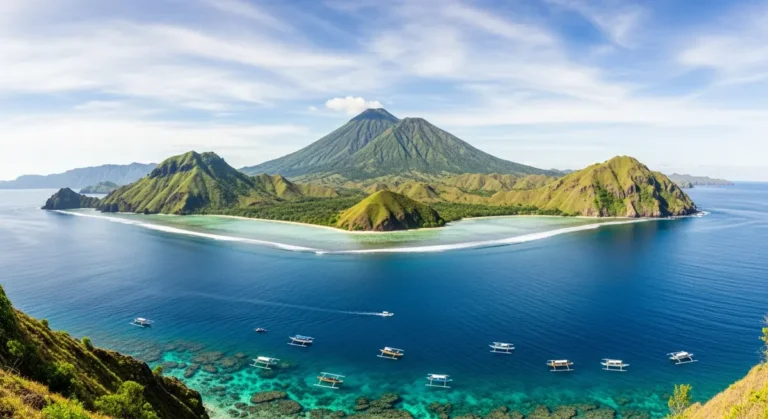
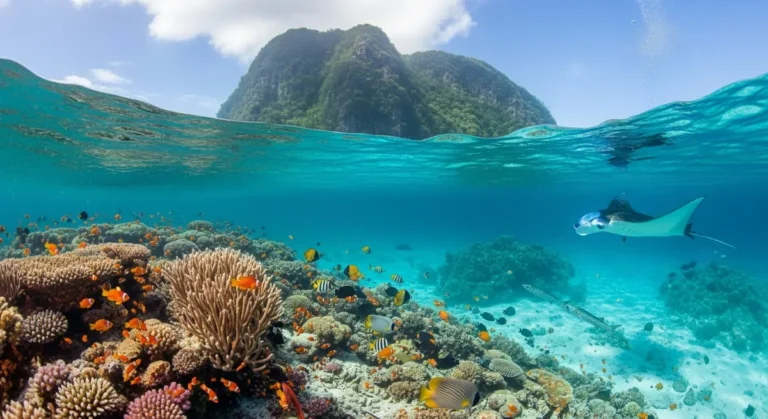
Overview of iconic dive sites in the Banda Sea
– active coral reefs teeming with fish.
– Historical shipwrecks from the spice trade era.
– Year-round diving opportunities with varying conditions.
Introduction to the Banda Sea Dive Sites
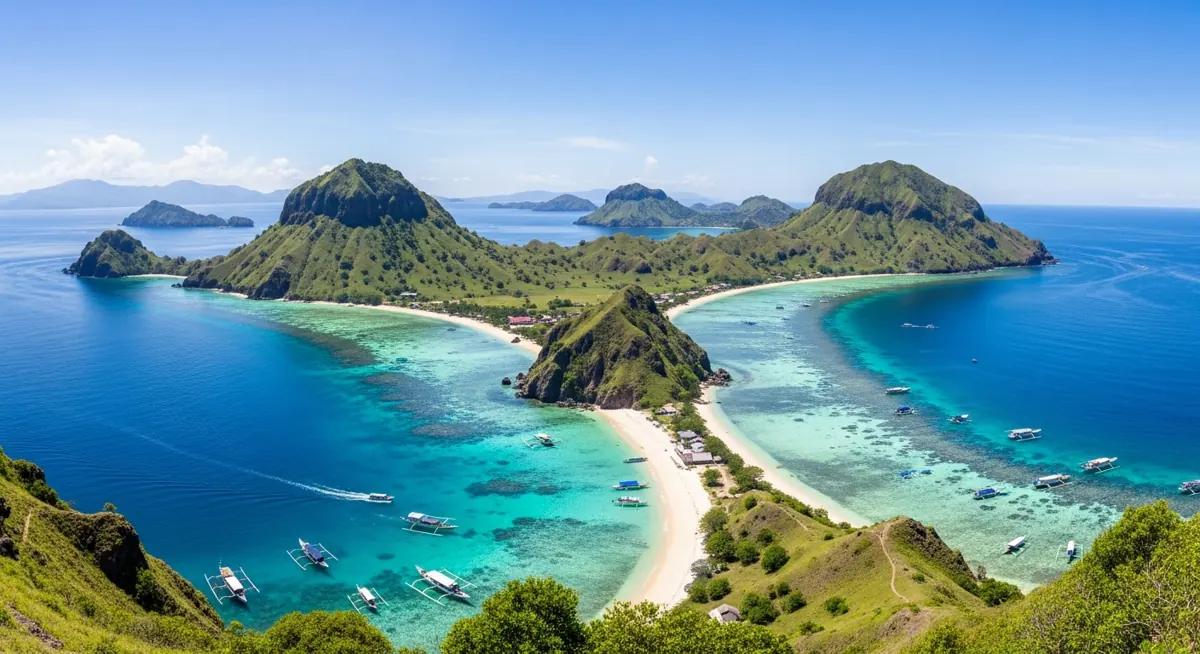
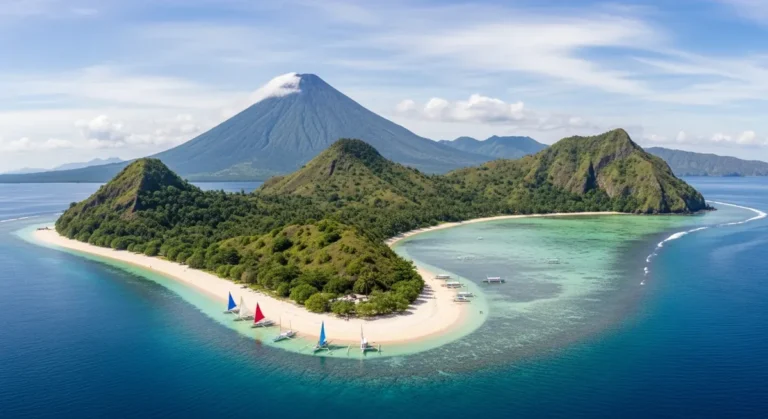
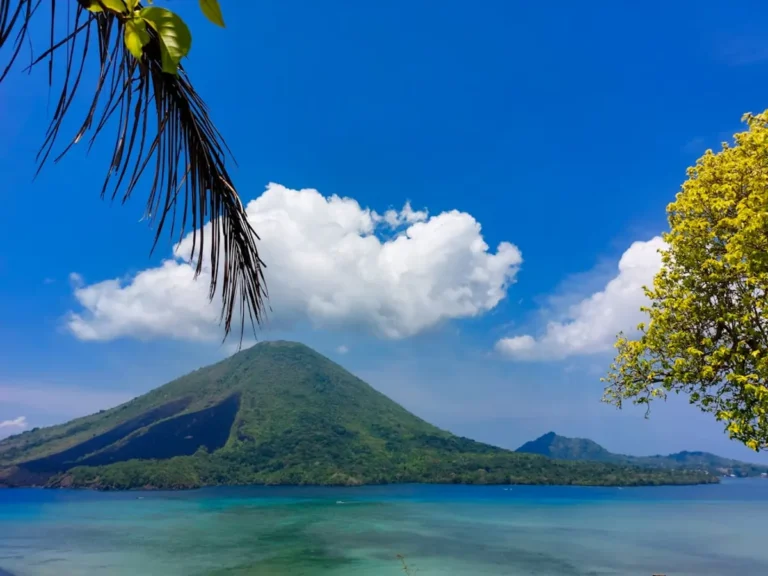
The Banda Sea, located in Indonesia’s Maluku region, is a diver’s sanctuary characterized by its rich biodiversity and historical significance. The Banda Islands, often referred to as the “Spice Islands,” offer some of the most iconic dive sites in the region. With clear waters and varied marine habitats, the Banda Sea attracts divers from around the globe.
Best Times to Dive in the Banda Sea
Diving in the Banda Sea is possible year-round, but the best conditions are typically found during the dry season from March to November. During this time, visibility can exceed 30 meters, and water temperatures range from 26°C to 30°C. The wet season, from December to February, can bring heavy rains and rough seas, making some sites less accessible.
Iconic Dive Sites in the Banda Sea
Exploring the Banda Sea reveals a variety of dive sites, each offering unique experiences for divers of all skill levels.
1. Pulau Hatta
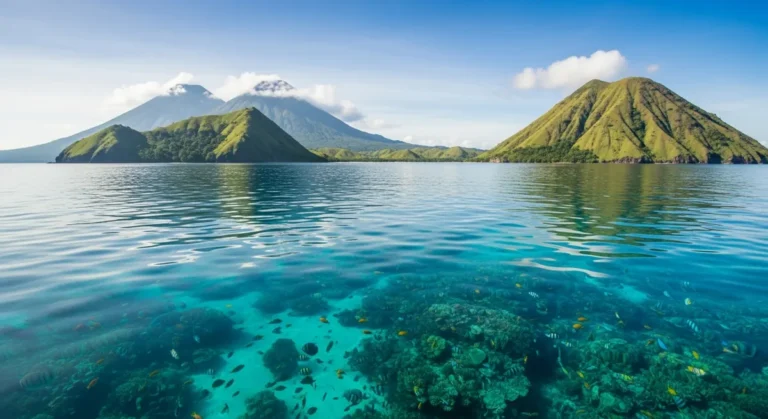
Pulau Hatta, known for its pristine coral gardens, is a must-visit for divers.
- Depth: 10 to 30 meters
- Marine Life: Expect to see turtles, reef sharks, and a multitude of colorful reef fish.
- Highlight: The active coral reef structure, ideal for both snorkeling and scuba diving.
2. Banda Neira Wreck
The Banda Neira Wreck is a historical dive site that tells the story of the region’s spice trade.
- Depth: 15 to 25 meters
- Marine Life: The wreck is home to various species of fish, including lionfish and moray eels.
- Highlight: Explore the remnants of a ship that sank in the 18th century.
3. Nusa Laut
Nusa Laut is known for its dramatic underwater topography, including wall dives and steep drop-offs.
- Depth: 15 to 40 meters
- Marine Life: Divers can spot schools of barracuda, manta rays, and active nudibranchs.
- Highlight: The striking underwater cliffs and rich marine biodiversity.
4. Karang Hatta
Karang Hatta offers a combination of striking coral formations and diverse marine life.
- Depth: 20 to 40 meters
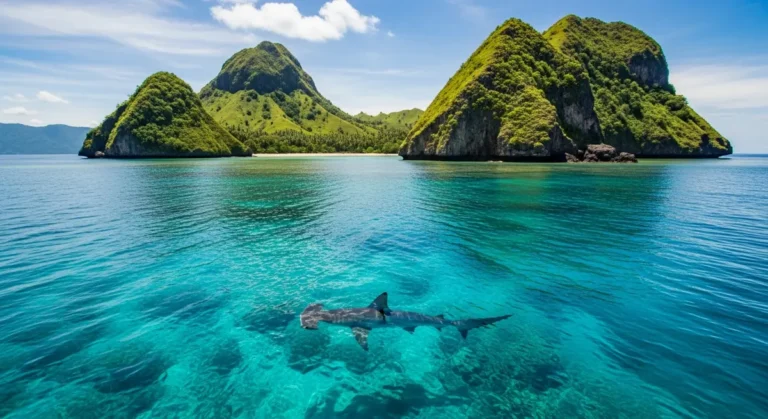
- Marine Life: Look out for large pelagic fish, including dogtooth tuna and hammerhead sharks.
- Highlight: The dive site is known for its strong currents, attracting larger marine species.
5. Pulau Ai
Pulau Ai is less frequented and provides a more tranquil diving experience.
- Depth: 10 to 30 meters
- Marine Life: The site is popular for macro photography, with critters like pygmy seahorses and frogfish.
- Highlight: The beautiful coral gardens are perfect for both divers and snorkelers.
Marine Biodiversity in the Banda Sea
The Banda Sea offers an incredible range of marine biodiversity. The coral reefs here are part of the Coral Triangle, home to over 600 species of coral and 3,000 species of fish. This diversity supports active ecosystems and provides opportunities for divers to witness marine life in various forms.
Planning Your Dive Trip
When planning a dive trip to the Banda Sea, consider the following:
– Dive Operators: Numerous dive shops and resorts offer packages that include equipment rental, guided dives, and accommodation. Prices vary based on the level of service, but expect to pay around $50 to $150 per dive, depending on the site and included services.
– Accommodation: The Banda Islands cater to a range of budgets. Budget travelers can find guesthouses starting at $20 per night, while mid-range options and luxury resorts can exceed $200 per night.
– Transportation: The most common way to reach the Banda Islands is via a flight to Ambon, followed by a ferry ride. The total travel time can vary, so plan accordingly.
Expert Tips for Diving in the Banda Sea
To make the most of your diving experience, here are some expert tips:
1. Check Dive Conditions: Before heading out, check the weather and sea conditions. Dive operators will often provide updates, but it’s good to stay informed.
2. Respect Marine Life: Follow safe diving practices and avoid touching or disturbing marine life. This helps preserve the delicate ecosystems of the Banda Sea.
3. Stay Hydrated and Healthy: Dehydration can affect your diving experience. Drink plenty of water and avoid heavy meals before diving.
4. Bring Your Gear: While rental gear is available, bringing your own can enhance comfort and safety. Ensure your equipment is well-maintained and suitable for the conditions.
5. Engage with Local Culture: Take time to explore the Banda Islands’ rich history. Visit historical sites and engage with local communities to gain a deeper understanding of the region.
Exploring the Historic Depths of the Banda Sea
When diving in the Banda Sea, make sure to visit the renowned dive site of Pulau Hatta. Known for its active coral gardens and steep drop-offs, Pulau Hatta provides an singular experience with the chance to encounter large pelagic species such as hammerhead sharks. The island’s waters are teeming with diverse marine life that captivates both experienced divers and newcomers alike.
For those interested in history, the dive site around the wreck of the SS Governor Radcliffe offers a unique opportunity. This British freighter sunk during World War II and now serves as an artificial reef, attracting marine species. Exploring this site not only immerses you in the underwater world but also offers a tangible connection to the region’s storied past. For more information on planning your trip, visit Indonesia Diving’s Banda Sea Dive Sites.
Planning specifics? See packages.
Planning specifics? See Banda Neira Trip or see current rates.
Logistics and Travel Tips for Diving in Banda Neira
Getting to Banda Neira requires some planning, but the journey is part of the adventure. Travelers typically start by flying into Ambon, the capital of Maluku province. From Ambon, you have a few options to reach Banda Neira. Susi Air operates small flights from Ambon to Banda Neira, though these flights can be sporadic and are best booked well in advance. Alternatively, the Pelni ferry, a staple of Indonesian inter-island travel, offers a more leisurely and scenic route. Departing from Ambon, the ferry journey takes around 12 hours and provides a chance to mingle with locals and enjoy the sea views.
Once on Banda Neira, the diving season runs from September to November, when conditions are optimal with calm seas and excellent visibility. Dive operators on the island offer a variety of packages, typically ranging from USD 100 to 150 per day for two dives, including equipment rental. For those seeking more extensive dive experiences, liveaboard options are available, offering multi-day excursions to more remote sites like Pulau Run and Batu Kapal, often priced between USD 1,500 and 2,500 for a week-long trip.
Accommodation on Banda Neira caters to a range of budgets. Simple guesthouses and homestays offer rooms from USD 20 to 40 per night, providing basic amenities and a chance to experience local hospitality. For a more comfortable stay, mid-range hotels and resorts are available, with prices ranging from USD 70 to 150 per night. These accommodations often include additional services such as guided tours of historical sites like Fort Belgica or spice plantations, enriching your Banda Neira experience beyond the underwater world. If you’re a seasoned diver or a history enthusiast, Banda Neira offers a unique blend of natural beauty and cultural depth, making the effort to reach this remote destination truly worthwhile.